Property Renovation Hull: Exterior Makeovers That Boost Kerb Appeal
Kerb appeal is easy to dismiss until the day a tired frontage starts costing money. That cost may show up as lower valuations, fewer viewings, longer void periods on rental stock, or simply the creeping expense of neglect. In Hull, where coastal weather, older housing stock, and patchwork previous repairs all leave their mark, the outside of a property often tells the truth before anyone steps through the door.
I have seen smart interior refurbishments undermined by cracked render, flaking masonry paint, sagging gutters, and front gardens that look as though nobody has touched them in years. Buyers notice. Tenants notice. Neighbours notice. Surveyors definitely notice. A clean, well-planned exterior does more than make a house look cared for. It signals that the building has been maintained properly, that water is being managed, and that there are fewer hidden surprises waiting behind the walls.
For anyone considering Property Renovation Hull projects, exterior work is rarely just cosmetic. The best makeovers combine appearance with protection. They make a home look sharper, but they also extend the life of brickwork, timber, rooflines, and paths. When done well, they can transform the feel of a property without straying into gimmicks or overspending.
Why exterior upgrades matter more in Hull
Hull’s climate shapes how buildings age. Wind-driven rain, cold snaps, salty air in some areas, and long damp periods all accelerate wear on exposed surfaces. Many local properties, from Victorian terraces to interwar semis and post-war houses, have already been through decades of patch repairs. The result is often a front elevation that looks uneven, weathered, and slightly neglected even when the interior has been updated.
That matters because exterior defects are rarely isolated. A blocked gutter stains brickwork. Damaged pointing lets moisture in. Failing sealant around windows leads to drafts and damp. A loose ridge tile can quickly become a larger roofing issue after a winter storm. Kerb appeal, in practical terms, starts with stopping water and decay before spending on decorative finishes.
There is also a neighbourhood factor. In many Hull streets, properties sit close together and create a strong visual rhythm. One freshly restored frontage can lift a whole row. One uncared-for frontage can drag down the impression of the surrounding homes. Owners planning to sell often underestimate how quickly viewers form opinions from the pavement. By the time they reach the hallway, they have already decided whether the place feels solid, expensive to maintain, or worth an asking price at the top end of the bracket.
Start with the building fabric, not the paint chart
The temptation is to begin with the visible finish. Fresh colour is satisfying and photographs well. But exterior makeovers nearly always go better when the unglamorous work comes first.
A frontage should be assessed for failed pointing, cracked render, movement around openings, defective gutters and downpipes, rotten fascias, slipped slates or tiles, and damaged sills. I would also look hard at ground levels. It is common to see paving built up too high against external walls, which can contribute to damp problems and spoil the proportions of the property. Spending on premium masonry paint while ignoring these basics is false economy.
A good General Contractor will usually sequence the work in a way that prevents rework. Roofing and rainwater goods come before wall repairs. Wall repairs come before decorating. Hard landscaping is timed so access remains sensible and finished surfaces are not damaged by ladders, mixers, or scaffold boards. That sort of planning saves money, even if it does not look exciting on day one.
Brickwork and pointing can change everything
Nothing dates a property faster than messy mortar and stained brick faces. On older homes around Hull, original brickwork often has far more character than owners realise, but years of cement-heavy patching, paint, or dirt can hide it.
Repointing, when done properly, sharpens the entire façade. Joint profile matters. Mortar colour matters. On period properties especially, a harsh bright mortar can look wrong and draw attention for all the wrong reasons. The aim is not to make the wall look brand new. It is to make it look sound, coherent, and appropriate to its age.
Cleaning also needs judgement. Aggressive methods can damage soft bricks. A gentle approach is usually safer, particularly where the wall has already weathered. I have seen front elevations improved dramatically just by removing staining, replacing a handful of blown bricks, and repointing selected areas rather than the whole house. That sort of targeted repair often gives a better result than over-restoration.
Painted brick creates a different set of decisions. If the paint is failing badly, patching may leave a mottled finish and full redecoration becomes the sensible route. If the coating is trapping moisture or bubbling repeatedly, the cause must be understood before repainting. Otherwise the new finish will fail just as quickly as the old one.
Render, pebble dash, and textured finishes need honest assessment
Hull has plenty of rendered and pebbledashed homes, particularly on suburban estates and mid-century streets. These finishes divide opinion, but they can look excellent when repaired and painted well. The mistake is assuming all render cracks are cosmetic. Hairline shrinkage is one thing. Wider cracking around windows, corners, or movement joints needs proper investigation.
Patch repairs stand out if they are handled carelessly. Matching texture and line is a skill. Where the original finish is beyond localised repair, a full recoat may be the only route to a smart appearance. Even then, breathability, substrate condition, and weather exposure should guide the specification. The best finish for a sheltered wall is not always the best finish for a sea-battered elevation.
Colour choice deserves restraint. Strong trends come and go, but external finishes have to sit comfortably with roof tiles, neighbouring properties, and the age of the building. Soft whites, warm greys, muted stone tones, and deep heritage shades often age better than fashionable statements. The goal is a house that still looks right five years later.
Rooflines and rainwater goods do more for kerb appeal than people think
Most owners look straight at walls, windows, and doors. Surveyors often look upward first. Roof edges kitchen refit frame the entire property. If the gutters sag, joints leak, fascias peel, and soffits are patched in mismatched materials, the frontage immediately feels tired.
Replacing old rainwater goods is not the most glamorous spend, but it is often one of the most effective. Crisp new gutters and downpipes neaten the roofline and prevent staining down the walls. Where timber fascias remain, careful repair and repainting can preserve period character. On some properties, replacement with quality low-maintenance materials makes more sense, especially if repeated decoration costs are mounting.
This is also where smart maintenance decisions pay off. Property Maintenance HUll services are often called in after staining has appeared or damp has spread, yet those issues typically began with something small and visible from the street. A £20 bracket or blocked hopper can turn into a much larger bill if ignored through a wet winter.
Windows and doors set the tone of the whole frontage
Front doors carry emotional weight. They create the arrival, define first impressions, and often become the visual anchor of the elevation. Replacing a damaged, cheap-looking door with something proportionate and well-finished can alter the feel of a property in a single day.
That does not always mean brand new. Solid timber doors can often be stripped, repaired, eased, draught-sealed, and repainted with superb results. Original features such as fanlights, stained glass, or panel details are worth saving whenever practical. They provide a level of individuality that off-the-shelf replacements rarely match.
Windows need the same balance of aesthetics and performance. Rotten sills, failed putty lines, peeling cills, and blown sealed units all drag the frontage down. If replacement is necessary, the style should respect the building. Chunky modern frames on a delicate older terrace can flatten its character. Slenderer profiles, considered glazing bars, and consistent reveals usually produce a better result.
The small details matter more than many people expect. Door furniture, house numbers, external lighting, even the letterbox finish can either elevate the entrance or make it feel pieced together from whatever was cheapest at the time.
Driveways, paths, and boundaries shape the first ten seconds
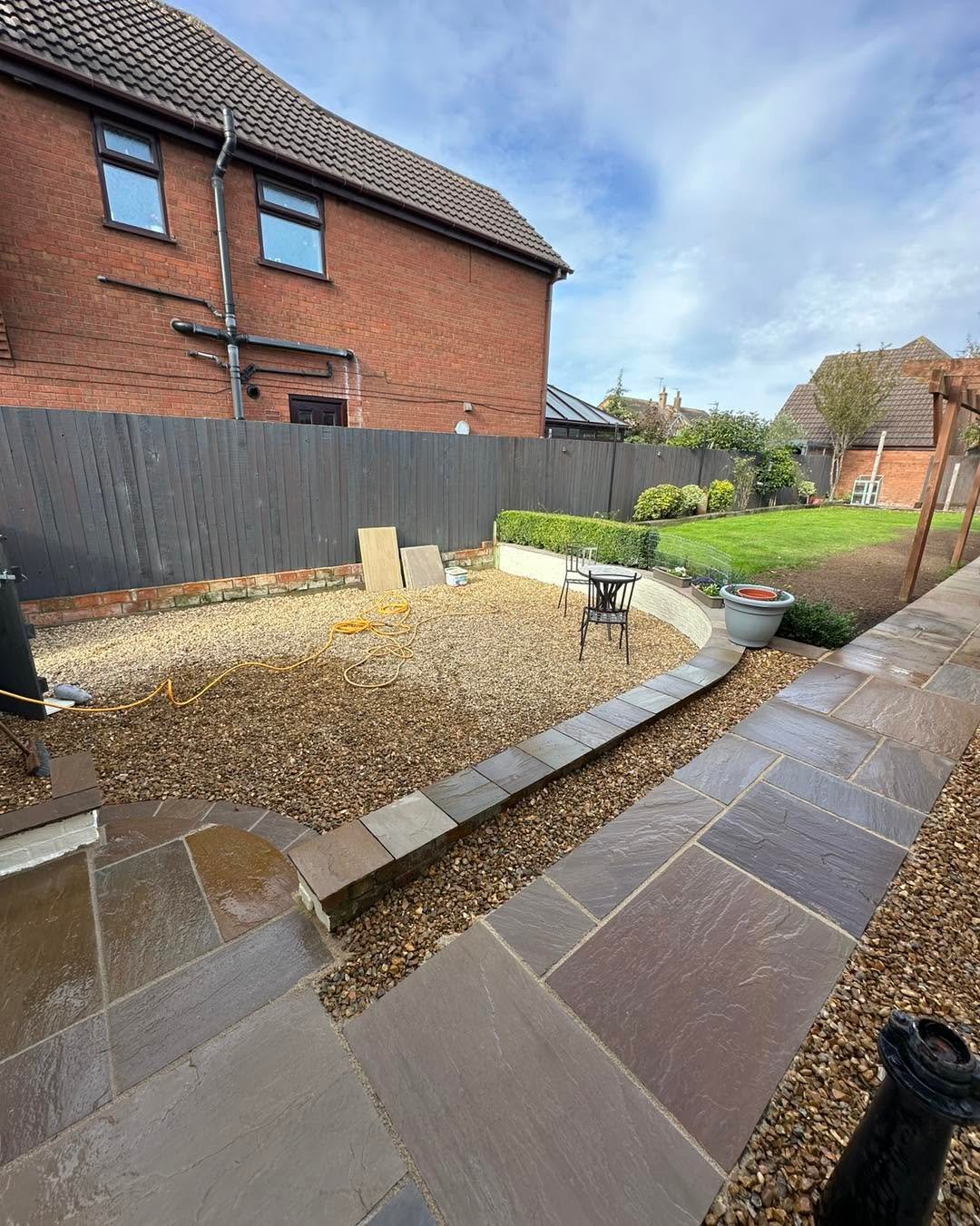
People experience a property from ground level before they appreciate rooflines or pointing. Broken paving, weeds through joints, leaning fences, and crumbling front steps undermine everything else. Hard landscaping does not need to be expensive to work well, but it does need discipline.
A narrow frontage can still feel generous if the route to the door is clear and materials are kept simple. Good edging, level transitions, and a sensible balance between parking and planting usually outperform over-complicated paving patterns. In Hull, where front gardens are often converted for parking, drainage should not be an afterthought. Water that sits on the drive or runs toward the house will soon make itself known.
Boundary treatment deserves careful thought too. Low walls can often be repaired more attractively than replaced. Metal railings, where appropriate, can add rhythm and openness. Timber fencing works best when the quality is decent and the stain or paint finish is restrained. A front boundary should frame the property, not overpower it.
Landscaping should soften the house, not hide it
A small Property Maintenance Hull amount of planting can make a house look settled and cared for. The mistake is treating landscaping as an afterthought or, at the other extreme, letting it overwhelm the frontage. Overgrown conifers, tired gravel beds, and random pots by the door rarely help.
The most successful front gardens are usually quite simple. Evergreen structure, seasonal colour in moderation, and a clear line of sight to the entrance do the job. If maintenance is a concern, hardy shrubs and easy groundcover are far better than fussy schemes that look neglected within months. On rental properties, robust planting is particularly important. The best design is one that still looks respectable with minimal attention.
External lighting also deserves mention here. Warm, well-positioned fittings around the entrance and along the path improve safety, help the property photograph better in darker months, and add a quiet sense of quality. Harsh blue-white lights or oversized security fittings can make the frontage feel commercial rather than welcoming.
The makeovers that usually offer the strongest return
Not every exterior project needs to be a full transformation. In many cases, value comes from getting several modest interventions right at the same time. If I were advising on the most reliable areas of spend, I would usually look at the following:
- Repairing roofline defects and replacing failing gutters and downpipes.
- Restoring or repainting the front door and tidying entrance details.
- Repointing or repairing visible masonry and addressing cracked render.
- Cleaning, repainting, or replacing tired windows where needed.
- Refreshing paths, steps, and front boundary features.
These upgrades work because they hit both appearance and maintenance. They also photograph well, which matters more than ever when properties are marketed online. A buyer may never notice the exact mortar blend or the quality of the drip detail above a window, but they do notice when the whole place looks crisp, balanced, and trustworthy.
Budget reality, what to spend and where to hold back
Exterior renovation budgets vary widely depending on scale, access, condition, and finish. Scaffolding alone can alter the equation. So can hidden defects uncovered once work begins. That is why broad estimates should be treated with caution until someone competent has inspected the property closely.
Still, some spending patterns are more sensible than others. Money put into water management, masonry repair, quality preparation, and durable coatings almost always outperforms money spent on decorative extras. By contrast, expensive feature lighting, fashionable cladding, or premium paving rarely make sense if basic building fabric is unresolved.
There is also a point where over-improvement becomes real. A modest terrace does not need the exterior detailing budget of a detached executive home. Kerb appeal works best when the investment suits the street, the likely buyer, and the long-term plan for the property. A landlord upgrading for tenant retention may make different choices from an owner-occupier restoring a forever home. Neither approach is wrong, provided the priorities are clear.
Common mistakes that spoil exterior renovations
The most expensive errors are often the simplest. One recurring problem is using incompatible materials, especially on older homes. Hard cement pointing on softer historic brick, non-breathable coatings over damp-prone walls, and inappropriate sealants around joinery can all create trouble later.
Another is poor sequencing. I Property Renovation Hull chmyorkshireltd.co.uk have seen freshly painted frontages splashed with mortar from later roof repairs, and new driveways broken up because drainage was not sorted first. The work may all have been necessary, but done in the wrong order it cost more and looked worse.
A third is chasing trends. Dark anthracite finishes can look sharp on the right property, but they do not suit every style or orientation. Some frontages become oppressively heavy when every element, from windows to doors to gutters, is pushed into the same dark palette. Contrast matters. So does local character.
Finally, there is the issue of maintenance planning. Even the best makeover will drift if gutters are never cleared, paintwork is ignored at the first sign of failure, and planting is allowed to sprawl. Exterior work is not a one-off event. It is a cycle that becomes cheaper and easier when small tasks are handled early.
Choosing the right team for the job
Exterior renovation sits at the intersection of several trades. Roofing, masonry repair, joinery, decorating, paving, drainage, and sometimes landscaping all have to mesh. That is why clients often benefit from using a General Contractor who can manage the sequence, quality control, and snagging across the whole project.
That said, not every contractor is equally comfortable with older stock or detail-sensitive work. Ask how they approach diagnosis before pricing. Ask whether they repair where possible or default to replacement. Ask who is doing the work rather than who is selling it. On a frontage project, a careful eye matters as much as labour capacity.
A useful sign is whether the conversation includes trade-offs. A decent contractor will tell you when a full strip-back is unnecessary, when patching will show too much to be worthwhile, or when an apparently cosmetic crack may indicate movement worth monitoring. Certainty at the quote stage can sound reassuring, but renovation usually rewards measured judgement over grand promises.
Before committing, I would want clarity on a few points:
- What defects are cosmetic, and what defects affect weatherproofing or structure.
- Which repairs need to happen before decoration or paving.
- What materials and finishes are proposed, and why they suit the property.
- How access, protection, and waste removal will be handled.
- What maintenance the finished exterior will need over the next few years.
Those questions often reveal whether a contractor is thinking beyond the immediate sale of the job. For Property Renovation Hull work, that practical mindset is worth a great deal.
Kerb appeal that lasts is never skin deep
The best exterior makeovers in Hull do not rely on one dramatic gesture. They come from a string of solid decisions, each one addressing a visible weakness or sharpening a tired detail. A sound roof edge, tidy brickwork, balanced colours, a strong entrance, and clean ground-level presentation can completely alter how a property is perceived.
More importantly, those changes usually make the building perform better. Water is directed away properly. Vulnerable materials are protected. Small defects stop becoming major repairs. The property looks cared for because it has been cared for.
That is the real point of kerb appeal. It is not dressing up a poor building. It is making the outside reflect the standard of attention the property deserves. In a city like Hull, where weather exposes every shortcut and every delayed repair, that approach pays off in appearance, durability, and value.
CHM Yorkshire Ltd
Hull
HU9 5BU
Tel: 01482 455159
Website: https://www.chmyorkshireltd.co.uk
Ends · TROYJGNK936